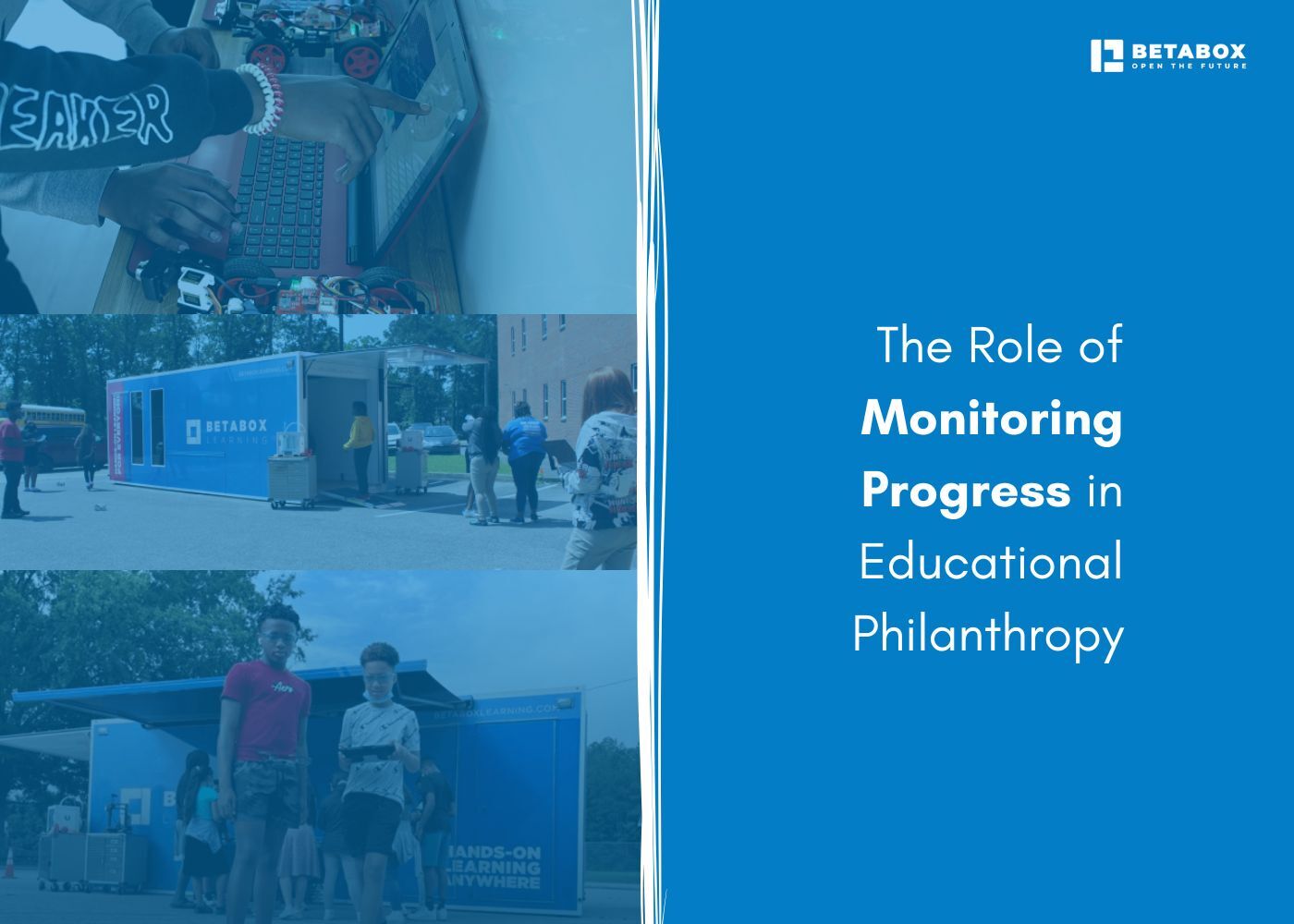
The student who builds a robot remembers more than the student who reads about robots. That simple truth drives the maker movement sweeping through K-12 schools. But makerspaces are evolving beyond the 3D printer in the library corner.
AI integration, mobile maker carts, and equity-focused funding are reshaping what's possible for schools that couldn't access these resources even five years ago. Here's what's happening in maker education right now and why it matters for your students.
Maker education is experiencing significant growth in 2026. Approximately one quarter of schools have now established makerspaces, with that number climbing as districts invest in innovative educational practices.
The K-12 makerspace materials market continues to expand year over year. Schools are implementing both high-tech makerspaces with 3D printers, laser cutters, and CNC machines, as well as low-tech makerspaces with supplies like cardboard, LEGO blocks, and hand tools.
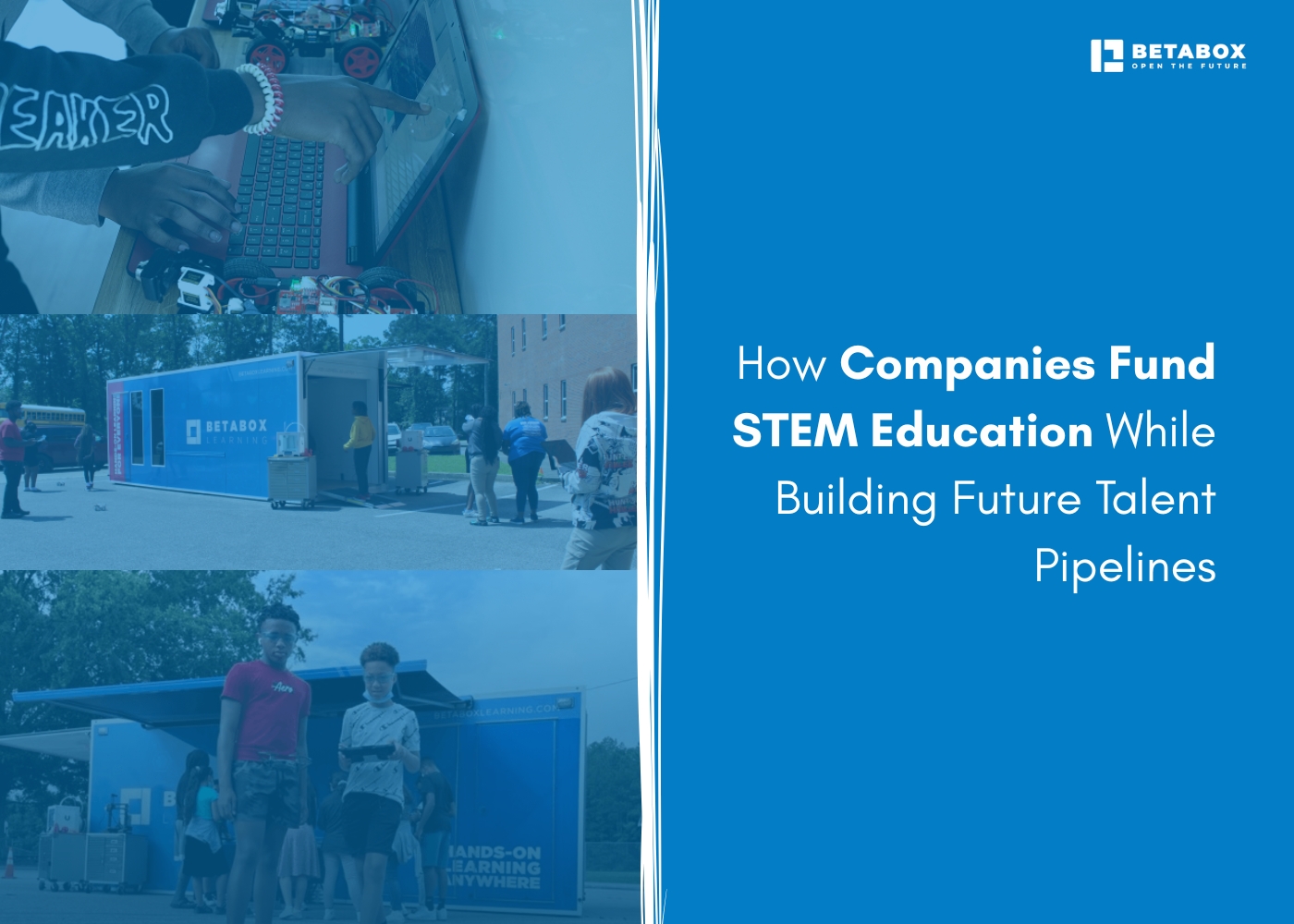
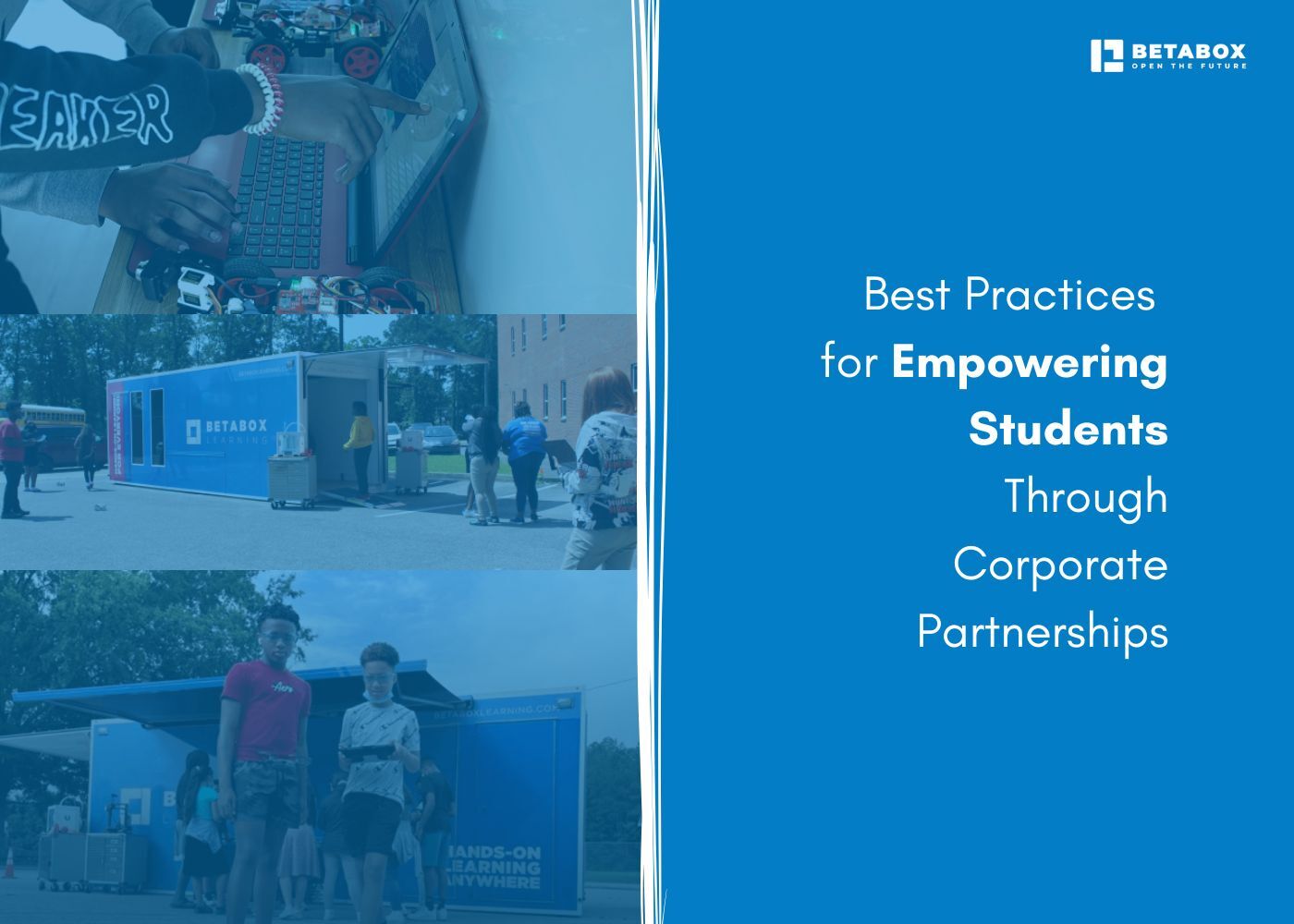
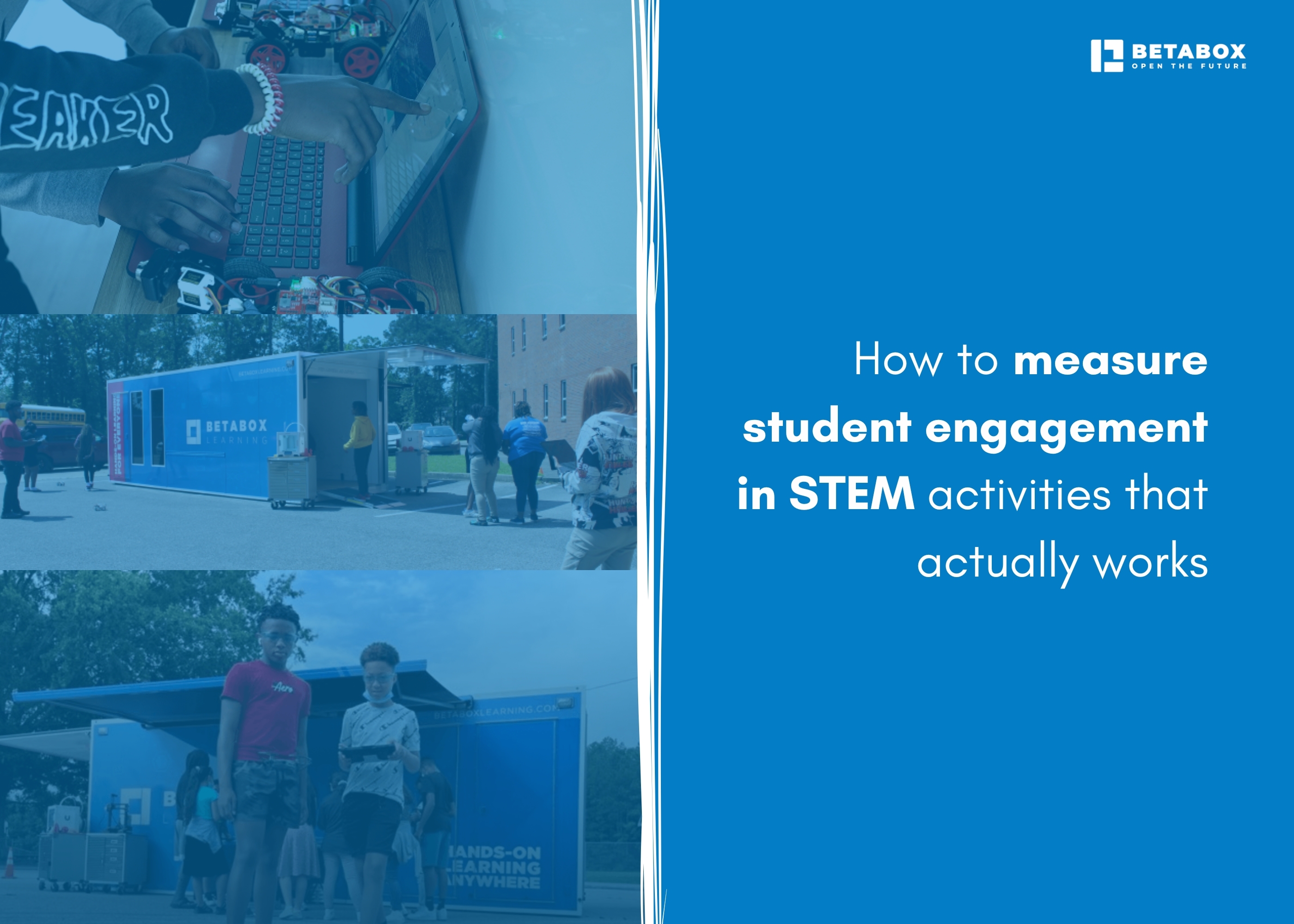
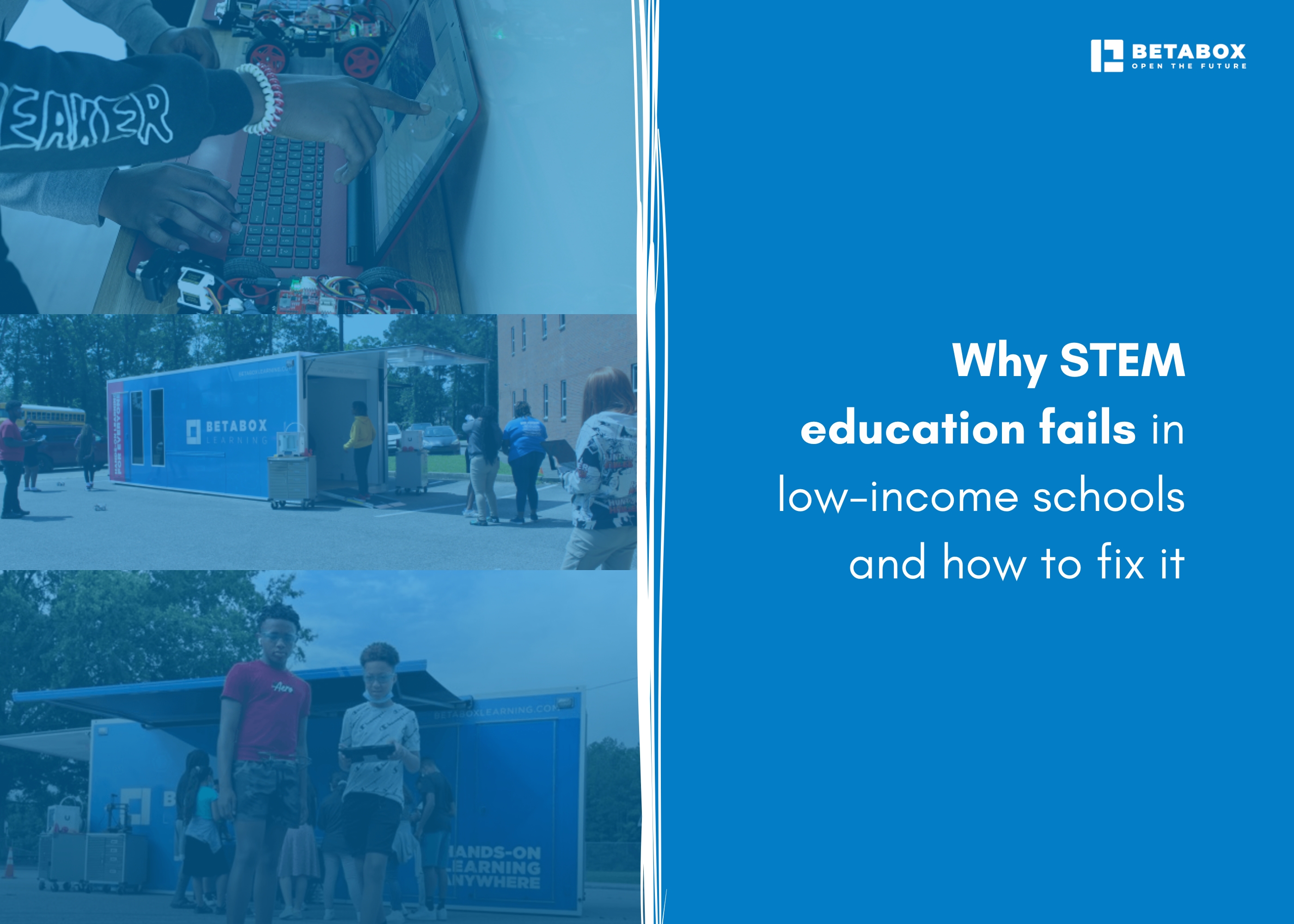
Mobile makerspaces and maker carts are gaining popularity, allowing schools to bring hands-on learning to multiple classrooms without dedicated space. A school that can't afford a full maker lab can share a maker cart across six classrooms.
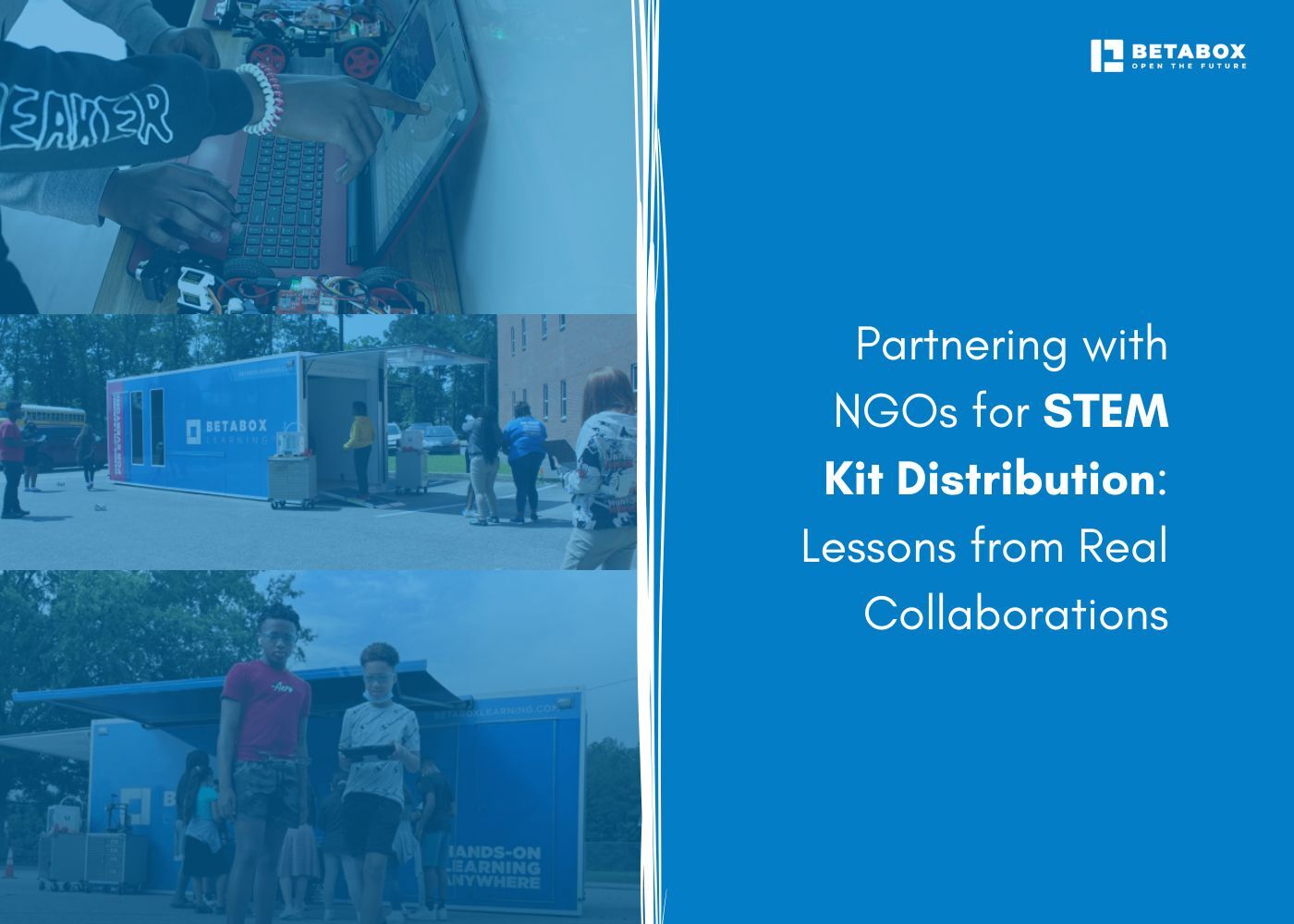
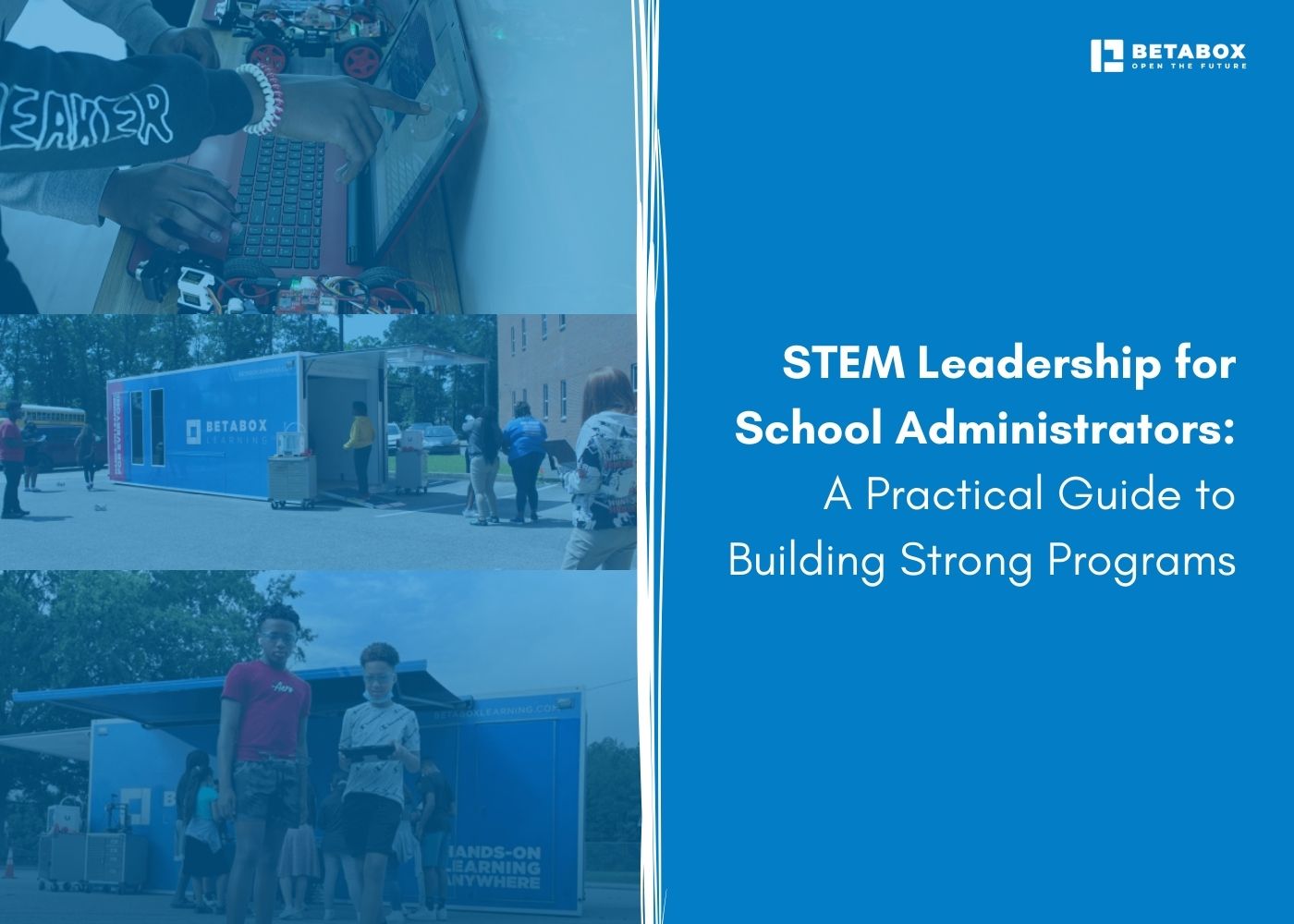
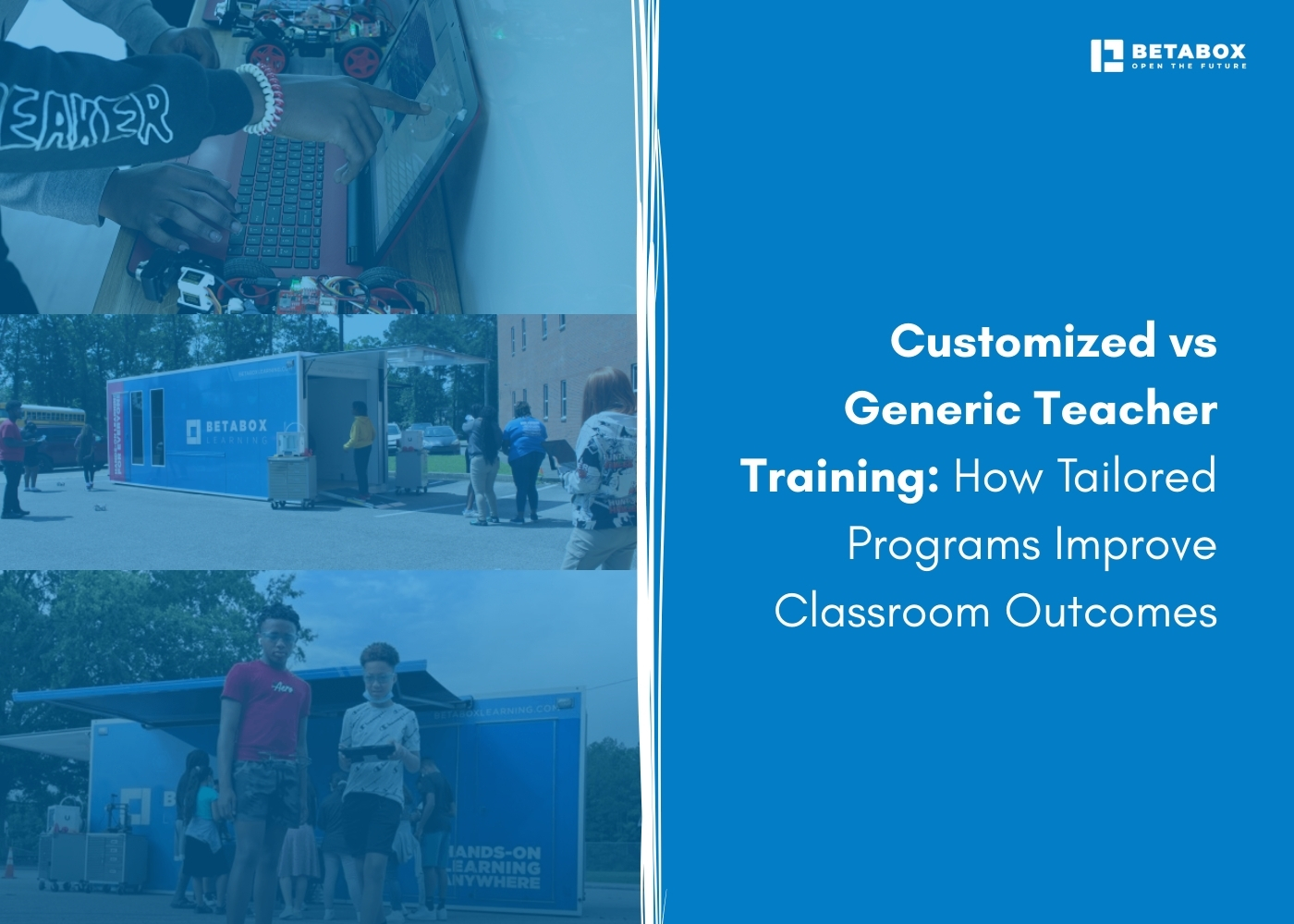
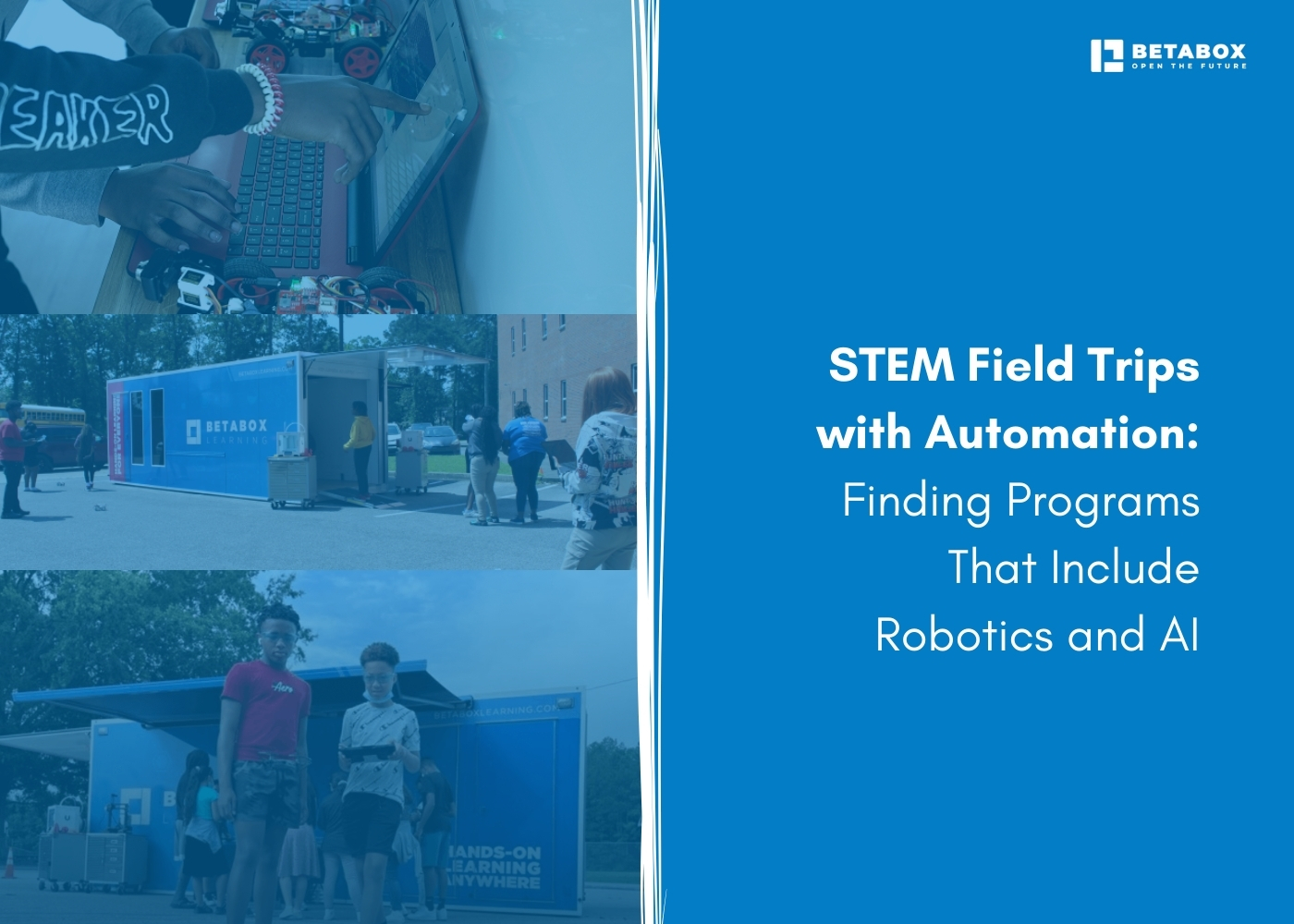
Programs are focusing on equity and inclusion, making these spaces available and accessible to all students regardless of zip code. Betabox provides turnkey STEM solutions, helping educators fund and implement hands-on learning experiences without the typical barriers. The Betabox team helps you every step of the way from funding strategy to resource implementation.
Several key trends are shaping the future of maker education in K-12 schools, each creating new opportunities for students and educators.
Leading companies are developing AI-based curricula to elevate STEM education. Programs introducing students to AI concepts through interactive learning are gaining traction. The year 2026 marks a transition from experimental AI adoption to system-wide integration, with AI-powered tools becoming a natural part of daily classroom experiences.
Not all school makerspaces look the same anymore. Some schools have maker carts, others set up in libraries, and configurations range from dedicated classroom corners to full rooms committed exclusively to making activities. Makerspaces vary widely depending on what schools want and need.
The integration of virtual and augmented reality technologies is expanding how students experience maker learning. VR and AR tools allow students to design, prototype, and test ideas in immersive digital environments before building physical prototypes. Betabox Onsite Field Trips bring advanced technologies directly to schools, letting students explore future career paths through hands-on experiences connecting STEM concepts to real-world industries.
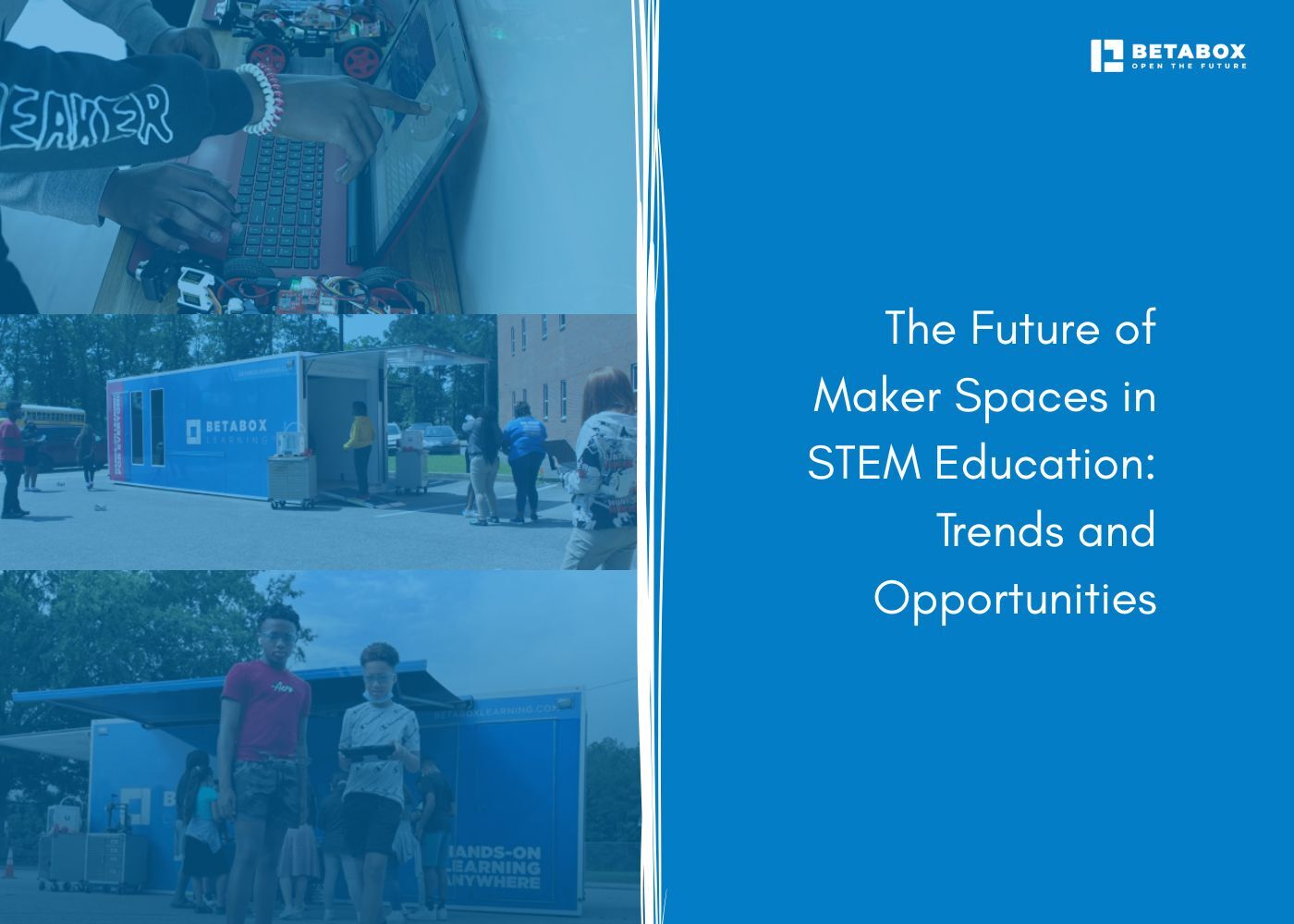
Makerspace education is shifting from novelty to necessity in K-12 curricula. Four key areas are driving evolution.
Makerspaces are expanding beyond traditional STEM to include arts, humanities, and social sciences. Research identifies STEM+ disciplinary and transdisciplinary learning spaces as a critical focus area, recognizing that innovation happens at the intersection of multiple disciplines.
Systematic documentation of learning outcomes, attitudes, and dispositions is becoming more explicit, helping educators demonstrate the value of maker education and secure continued support.
Schools are investing in educator support to help teachers facilitate open-ended projects and guide student inquiry. Maker projects are being integrated across subject areas, with math concepts explored through building challenges, science principles through engineering design, and literacy through project documentation.
Technology continues to expand what's possible in K-12 makerspaces, giving students access to tools that were professional-only a decade ago.
Students design and create physical prototypes, learning CAD software and iterative design processes. The technology that once required a dedicated lab now fits on a classroom cart.
From block-based programming for younger students to text-based coding for advanced learners, robotics kits make computer science tangible. Tools like Arduino and micro:bit introduce students to electronics, sensors, and physical computing.
The introduction of drones in K-12 robotic learning programs is creating new opportunities for students to explore aerospace engineering, programming, and autonomous systems. Betabox Hands-On Projects provide access to many of these technologies through research-backed kits delivering turnkey STEM enrichment.
Funding continues to expand for maker education initiatives, with new pathways opening for schools that know where to look.
Federal and state education budgets increasingly allocate resources specifically for STEM and maker education programs. Rising government funding is a prime driver of makerspace growth.
Corporate partnerships and foundation grants provide resources for schools to build and expand makerspaces. Schools can access funding through federal STEM education grants, state technology initiatives, corporate foundation programs, and nonprofit organization grants.
Betabox helps educators access funding through Impact Partners, who provide resources and support to schools, partnering with corporations, foundations, and community organizations to close STEM resource gaps.
Schools working with Betabox receive step-by-step guidance from funding strategy to resource implementation. Book a Blueprint call with the team to design a custom plan for your school or district.
What are the latest maker education news and developments?
Maker education is experiencing rapid growth, with approximately one quarter of schools establishing makerspaces and the market continuing to expand. Key developments include AI integration in maker curricula, expansion of mobile makerspace options, and increased focus on equity.
What maker education trends are emerging in 2026?
Major trends include AI-based curricula, flexible makerspace configurations, virtual and augmented reality integration, and sustainability-focused projects. Schools are moving from experimental maker programs to system-wide implementation.
How is makerspace education evolving in K-12 schools?
Makerspace education is evolving through STEM+ interdisciplinary approaches, improved assessment practices, enhanced educator professional development, and deeper curriculum integration across subject areas.
What new technologies are impacting maker education?
Key technologies include 3D printing and scanning, robotics and coding platforms, electronics and circuit tools, laser cutters and CNC machines, and drones for aerospace learning.
What funding opportunities exist for maker education programs?
Funding opportunities include rising government allocations for STEM education, private organization and foundation grants, federal and state grant programs, and corporate partnership models connecting schools with resources and support.
How are successful districts scaling makerspace programs?
Successful districts start with pilot programs, build educator communities, invest in professional development, leverage mobile solutions, focus on curriculum integration, and measure impact to demonstrate value.


Ready to learn how Betabox resources can be implemented at your school or District?
Book a Blueprint Call

.jpg)

.jpg)
.jpg)
.jpg)





.jpg)

At Betabox Learning, we are passionate about making hands-on STEM curricula accessible to all students.






.jpg)